
Chimi Lhakhang
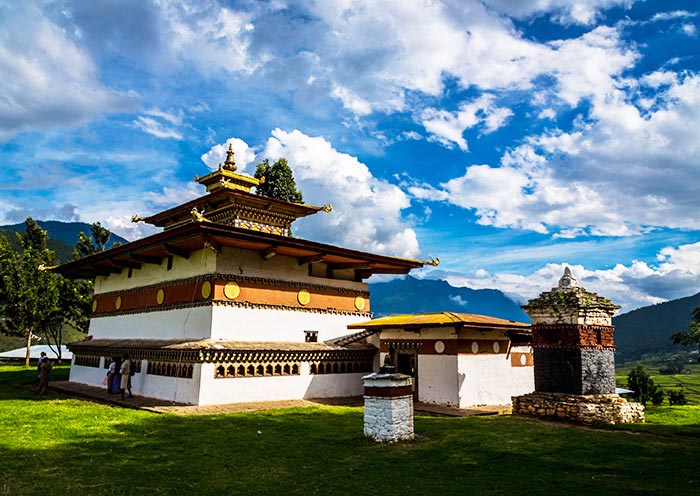
Chimi Lhakhang (also spelled Chime Lhakhang), popularly known as the Fertility Temple or Temple of the Divine Madman, is a small but highly significant Buddhist monastery near Lobesa in Punakha District, Bhutan.
Built in 1499 by Ngawang Chogyel (the 14th Drukpa hierarch and cousin of Drukpa Kunley) on a round hillock said to resemble a woman’s breast, the temple stands on a site blessed by the legendary 15th–16th-century Tibetan lama Drukpa Kunley (1455–1529). Known as the “Divine Madman” or “Mad Saint,” Kunley was famous for his unorthodox, humorous, and often shocking methods of teaching Buddhism—using song, satire, sexuality, and outrageous behaviour to cut through hypocrisy and convey spiritual truths.
According to legend, Kunley subdued a demoness of Dochula Pass (who took the form of a dog) using his “flaming thunderbolt of wisdom” (a symbolic phallus). He trapped her under a rock at this site, uttered “Chi Mi” (“no dog”), and the place took its name from that event. A black chorten near the temple marks the spot. The monastery houses relics associated with him, including a wooden phallus (said to have been brought from Tibet, decorated with a silver handle) and his bow and arrow.
Chimi Lhakhang is renowned as a fertility temple. Couples (especially women seeking to conceive) come for blessings. The traditional ritual often involves being gently tapped on the head with the wooden phallus (and sometimes the bow and arrow), followed by circumambulating the temple while carrying a phallus. Newborns are sometimes brought here to receive names (often “Chime” or “Kunley”). An album of photos from successful parents from around the world is kept at the temple. Phallic symbols painted on houses in the surrounding village of Sopsokha (and widely across Bhutan) are linked to Kunley’s legacy and are believed to ward off evil spirits and malicious gossip.
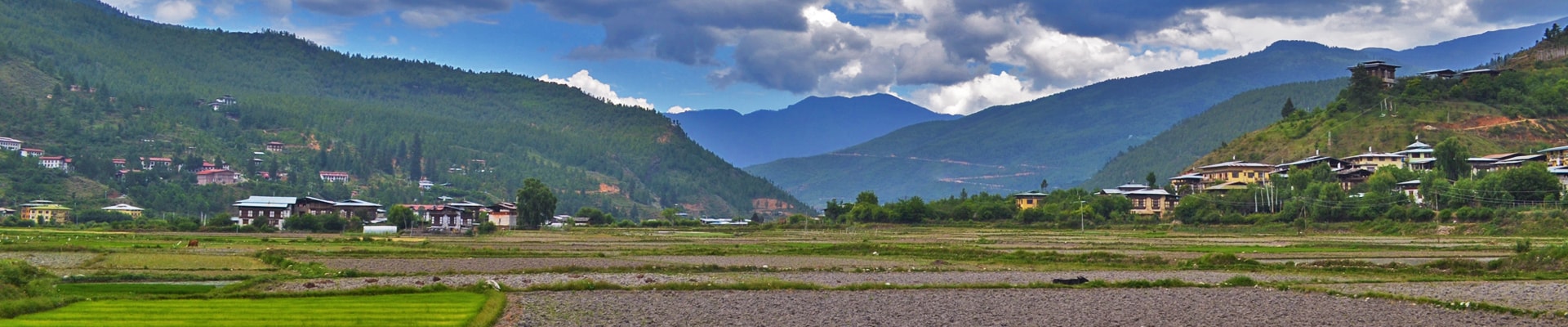
The approach is part of the experience: a pleasant 15–30 minute walk through rice fields and mustard fields from the parking area near Sopsokha village, passing traditional houses decorated with colourful phallus paintings and prayer flags. A shorter but steeper path also exists from closer parking.
Inside the courtyard stands a large bodhi tree (said to have been brought from Bodh Gaya). The temple itself is modest, with prayer wheels, murals depicting Kunley’s life, and the main shrine. Photography is generally not allowed inside the sanctum.
Chimi Lhakhang is a standard and memorable stop on Punakha itineraries, usually combined with Punakha Dzong. It offers a light-hearted yet deeply cultural insight into Bhutanese spirituality that contrasts with more formal monastic sites. As with other attractions, foreign visitors typically experience it as part of a licensed guided tour.