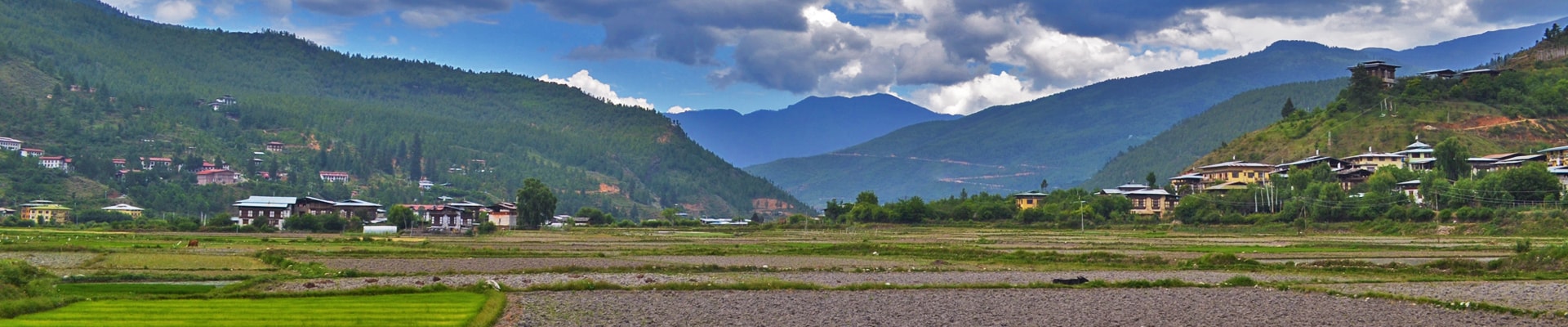
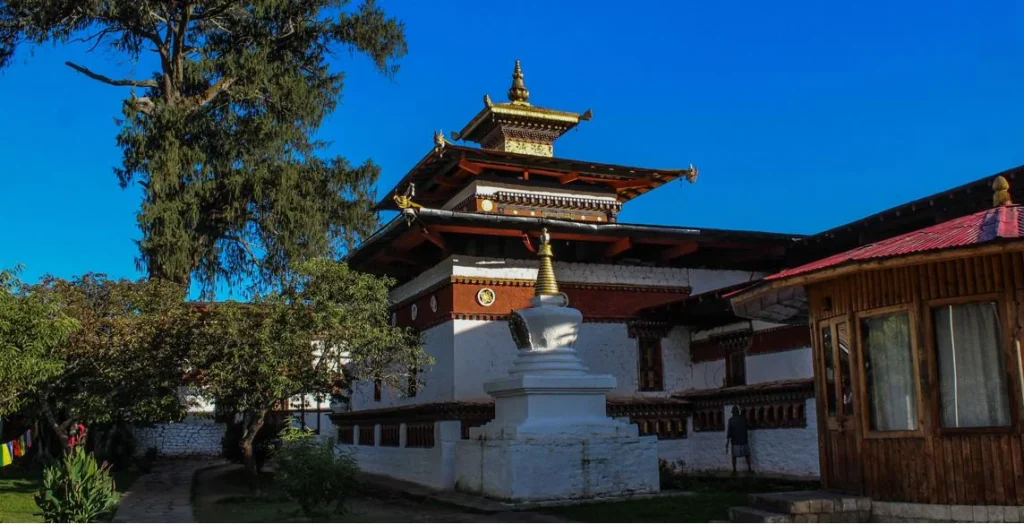
Kyichu Lhakhang (also spelled Kyerchu Lhakhang or Lho Kyerchu) is one of the oldest and most sacred temples in Bhutan, located in the Paro Valley.
Overview and Significance
Believed to date to the 7th century, it is traditionally attributed to the Tibetan Emperor Songtsen Gampo (the first Buddhist king of Tibet). According to legend, he ordered the construction of 108 temples across the Himalayan region in a single day to pin down a giant demoness whose body stretched across Tibet and the surrounding lands, obstructing the spread of Buddhism. Kyichu Lhakhang was built to secure her left foot (a counterpart temple, Jambay Lhakhang in Bumthang, pinned her left knee). This event is often regarded as marking the effective beginning of Bhutanese Buddhist history.
In the 8th century, Guru Rinpoche (Padmasambhava) is said to have visited the site and concealed spiritual treasures (terma) there. The temple has been renovated and expanded over the centuries, notably in the 1830s by the 25th Je Khenpo and the Paro governor, and it remains an active place of worship. Elderly pilgrims frequently circumambulate the courtyard while spinning prayer wheels, giving the site a living, atmospheric quality.
Architecture and Highlights
The complex centres on two main temples around an intimate courtyard:
- Jowo Lhakhang (the original/main temple): Houses a highly revered statue of Jowo Sakyamuni (Buddha), believed to date from the 7th century and cast at the same time as the famous Jowo image in Lhasa’s Jokhang. Generations of prostrations have worn grooves into the wooden floor in front of the statue. A statue of Songtsen Gampo is also present, and the main door is elaborately gilded with dragon motifs.
- Guru Lhakhang: Built in 1968/1971 under the sponsorship of Queen Mother Ashi Kesang Choden Wangchuck (wife of the Third King) and consecrated by Dilgo Khyentse Rinpoche. It contains a large (about 5 m) statue of Guru Rinpoche, a statue of Kurukulla (Red Tara), a chorten with the ashes of Dilgo Khyentse Rinpoche, and other images and photographs of royal figures.
The courtyard features prayer wheels and a mural of the epic hero King Gesar of Ling. The overall setting is peaceful and charming, nestled in the flatlands of the Paro Valley.
Visiting Information
- Location: Lango area of Paro Valley, roughly 5 km (about 10–15 minutes’ drive) from Paro town or the international airport. Easily combined with other Paro sites such as Rinpung Dzong, the National Museum, or the start of the Tiger’s Nest hike.
- Typical visit duration: 30–60 minutes.
- Opening hours: Generally daytime (commonly around 9 AM–5 PM, sometimes with a lunch break). Confirm locally.
- Entrance fee: Often free for foreign visitors (covered under the daily Sustainable Development Fee/tariff system) or a modest fee around Nu. 500 in some reports. Check current details with your operator.
- Etiquette: Modest dress (shoulders and legs covered). Remove shoes before entering the temples. Photography is usually restricted inside the sanctums. Walk clockwise and spin prayer wheels in the correct direction. Maintain a quiet, respectful demeanour.
- Best time: Spring (March–May) and autumn (September–November) for pleasant weather. The site is accessible year-round and feels especially atmospheric with local pilgrims present.
Kyichu Lhakhang is a standard highlight on Paro itineraries, valued for its great antiquity, spiritual atmosphere, and connection to the foundational legends of Himalayan Buddhism. It is typically visited as part of a licensed guided tour.