
Punakha Dzong
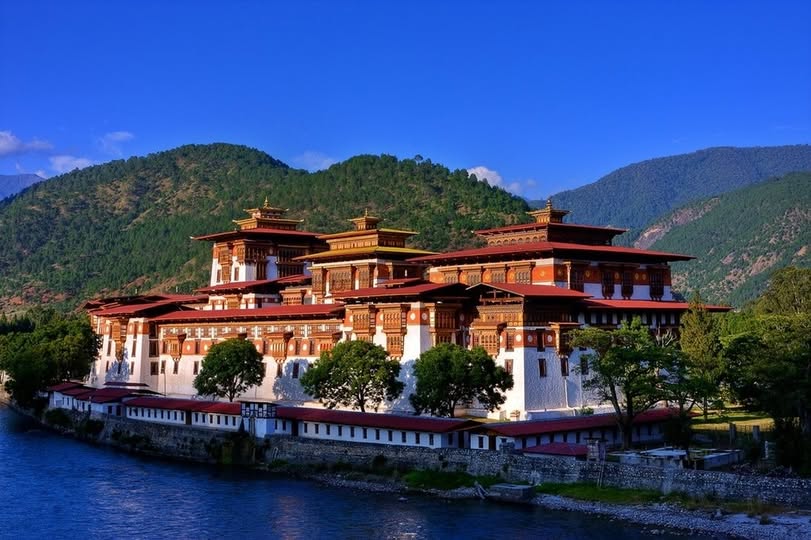
Punakha Dzong (full name: Pungthang Dechen Phodrang or Pungthang Dewa Chenpoi Phodrang, meaning “Palace of Great Happiness”) is widely regarded as the most beautiful dzong in Bhutan and one of the country’s most important historical and religious sites.
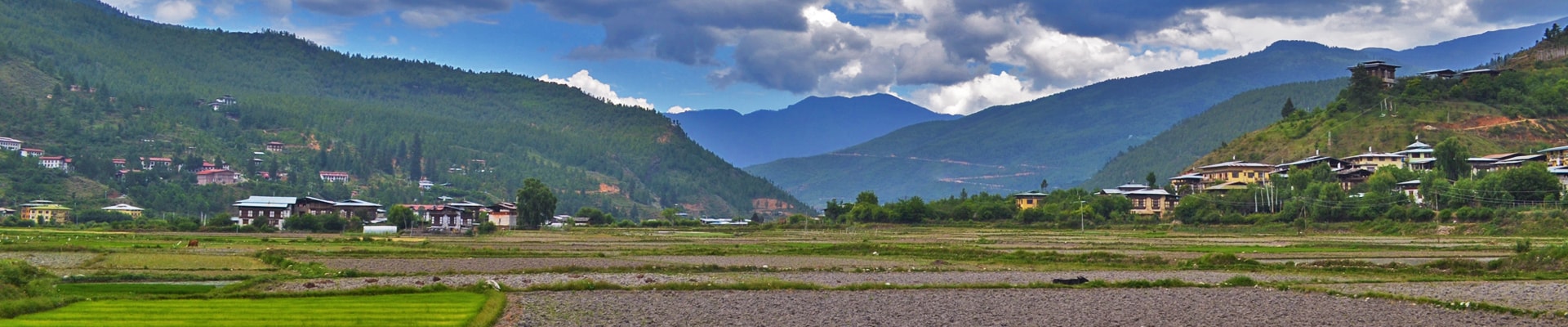
It stands at the dramatic confluence of the Pho Chhu (male/father river) and Mo Chhu (female/mother river) in the fertile Punakha Valley, at an elevation of roughly 1,200–1,460 metres. The location itself carries symbolic meaning, representing the union of masculine and feminine forces.
Built in 1637–1638 by Zhabdrung Ngawang Namgyal (the unifier of Bhutan), it is the second-oldest and second-largest dzong in the country (after Simtokha). Guru Rinpoche is said to have prophesied its construction. It served as Bhutan’s capital and seat of government until the mid-1950s (when the capital moved to Thimphu) and remains the winter residence of the Central Monastic Body, including the Je Khenpo (Chief Abbot).
Key historical events held here include:
It houses sacred relics, including the remains of Zhabdrung Ngawang Namgyal and the Rangjung Kharsapani (a highly revered self-arisen image of Avalokiteshvara). The complex has survived multiple fires, earthquakes, and floods over the centuries and has been repeatedly restored.
The fortress-monastery measures about 180 metres long and 72 metres wide, with a six-storey central tower (utse) topped by a gold dome. Visitors approach via the reconstructed Bazam (a traditional wooden cantilever bridge) over the Mo Chhu. Inside are three main courtyards, temples with exceptional murals depicting the life of the Buddha, intricate wood carvings, large statues, and administrative and monastic quarters. In spring, lilac jacaranda trees blooming against the whitewashed walls create one of Bhutan’s most photographed scenes.