
Gangtey Monastery
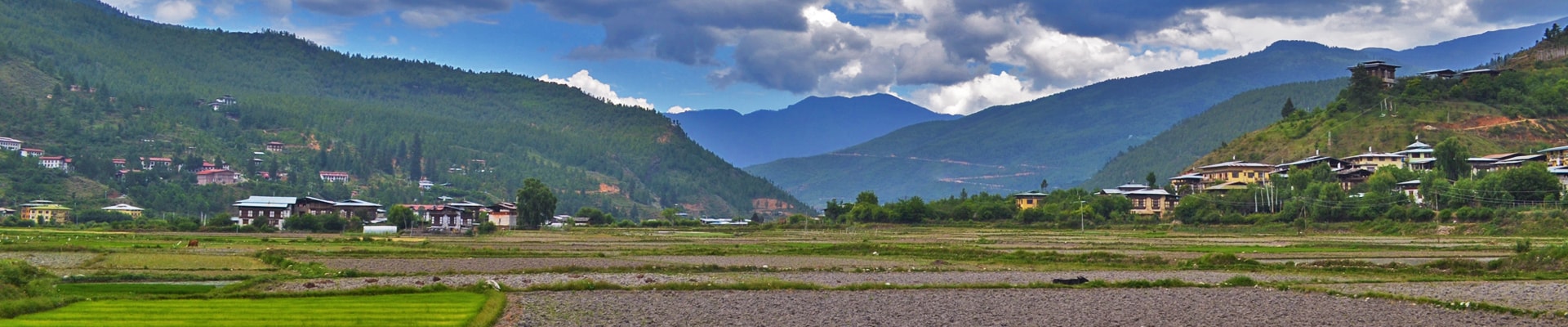
Gangtey Monastery (also spelled Gangteng Monastery, Gangtey Gonpa, or Gangteng Sangngak Chöling) is an important Nyingma Buddhist monastery perched on a forested hill overlooking the broad, glacial Phobjikha Valley in central Bhutan’s Wangdue Phodrang District.
Founded in 1613 by Gyalse Pema Thinley (the first Gangteng Tulku), the grandson and reincarnation of the great 15th-century terton (treasure revealer) Pema Lingpa, the monastery fulfils a prophecy made by Pema Lingpa himself. He is said to have foreseen that a goemba named “Gang-teng” (hilltop) would be built on this site and that his teachings would spread from here.
It serves as the principal seat of the Pema Lingpa (Peling) tradition within the Nyingma school of Tibetan Buddhism and is one of the major Nyingma centres in Bhutan. The current spiritual head is the 9th Gangteng Tulku (Kunzang Pema Namgyal), regarded as a reincarnation linked to Pema Lingpa. The complex includes the main temple, monks’ quarters, a shedra (monastic college) higher up the hill, a guesthouse, and meditation centres.
A major restoration took place between roughly 2000/2001 and 2008 after woodwork damage from beetle larvae (and earlier earthquake effects). Traditional materials and techniques were used; the rebuilt monastery was reconsecrated in October 2008 in the presence of the Fourth King.
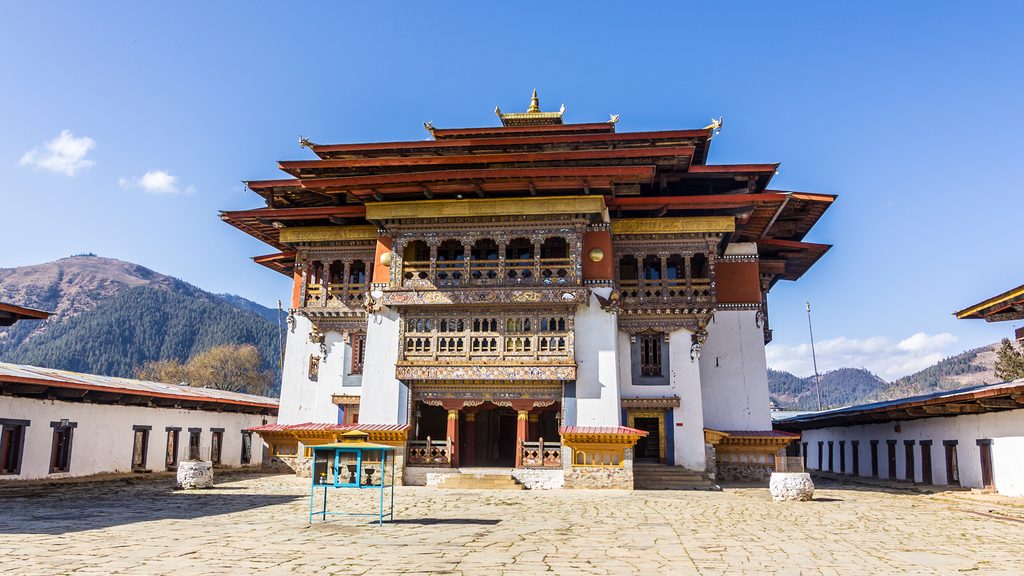
The four-storey complex centres on a large tshokhang (assembly/prayer hall) built in a Tibetan-influenced style. It features 18 great pillars around an unusual three-storey inner atrium and is among the largest of its kind in Bhutan. The inner sanctum houses the funeral chorten of an early founder, and other chapels contain statues of the eight manifestations of Guru Rinpoche, arhats, and sacred relics. The monastery commands sweeping views across the entire Phobjikha Valley.
Phobjikha Valley is the largest wintering ground in Bhutan for the endangered black-necked cranes (Grus nigricollis), which migrate from the Tibetan Plateau (typically late October to mid-March). Local legend holds that the cranes circle Gangtey Monastery three times clockwise upon arrival and again before departing for Tibet—mirroring the Buddhist practice of kora (circumambulation). The annual Black-Necked Crane Festival, held at the monastery courtyard around 11 November, celebrates this bond with cultural performances, including a crane dance by local schoolchildren.
Gangtey Monastery is a highlight of visits to the peaceful Phobjikha Valley, combining spiritual heritage, fine architecture, and a unique harmony with nature. Most travellers include it on central Bhutan itineraries (often after Punakha and before Bumthang or on the return west), pairing the monastery visit with the short Gangtey Nature Trail, crane watching, or overnight stays in the valley. As with other major sites, access for foreign visitors is arranged through licensed Bhutanese tour operators.