
Jambay Lhakhang
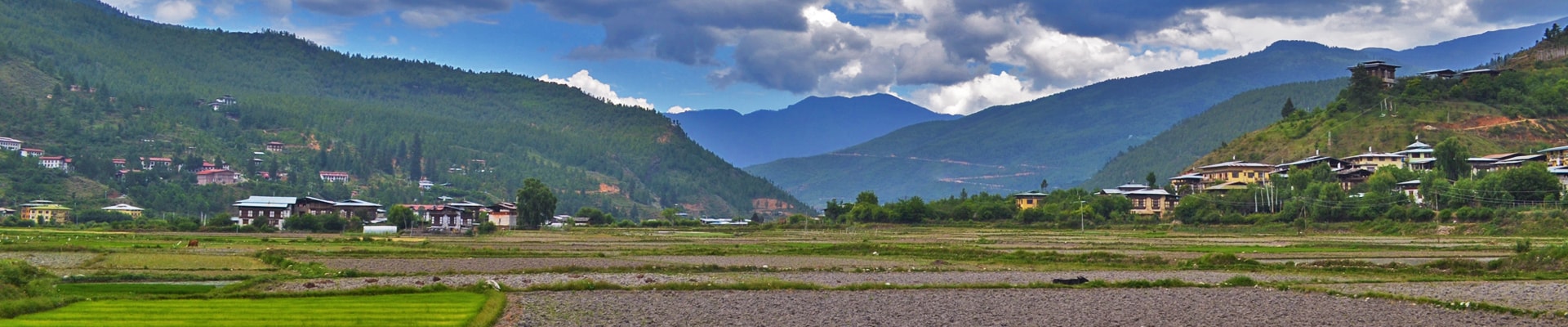
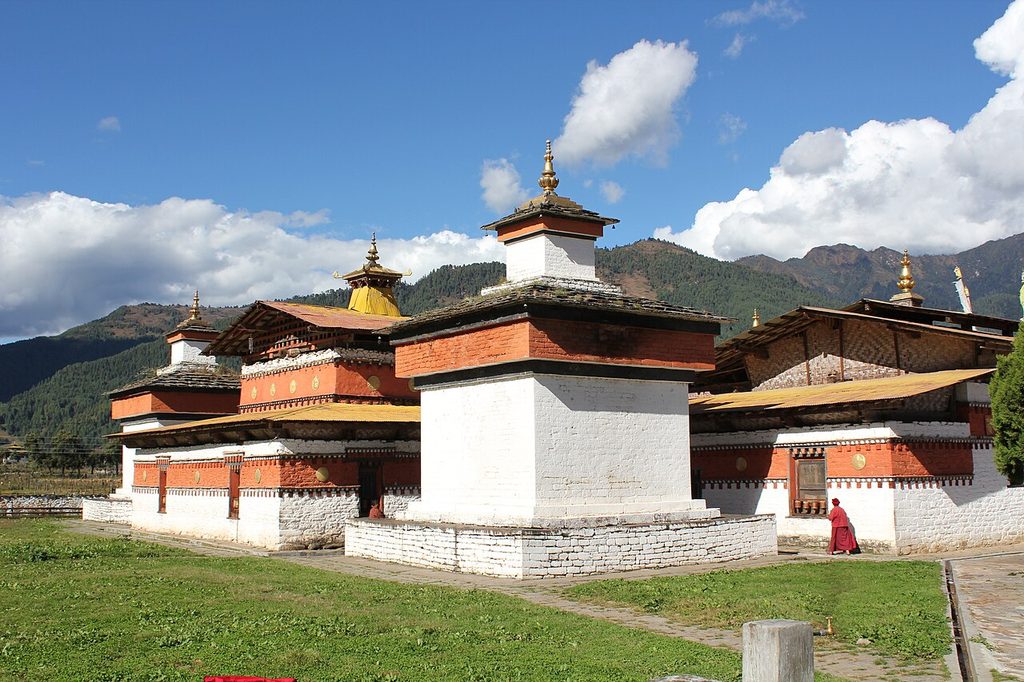
Jambay Lhakhang (also spelled Jampa Lhakhang or Jampey Lhakhang), the Temple of Maitreya, is one of the oldest and most sacred temples in Bhutan. It is located in the Choekhor Valley of Bumthang (near Jakar), central Bhutan.
According to tradition, it was built in 659 CE by the Tibetan King Songtsen Gampo as one of 108 temples constructed in a single day to pin down a giant demoness whose body stretched across the Himalayas and was obstructing the spread of Buddhism. Jambay Lhakhang was placed on her left knee (while Kyichu Lhakhang in Paro pinned her left foot). This makes it one of the foundational “border-taming” temples of the region.
The temple is dedicated to Jampa (Maitreya), the Future Buddha. It was later visited and consecrated by Guru Rinpoche in the 8th century; he is said to have given teachings from the rooftop and restored the life force of King Sindhu Raja. The site has been repaired and expanded over the centuries, including additions by Bhutanese royalty. It retains a strong sense of antiquity and remains an active place of worship.
The main temple is a relatively modest one-storey structure. Inside the ancient inner sanctum is the central statue of Jampa (Maitreya) with his feet resting on an elephant. Three symbolic stone steps represent the ages of the past (Sakyamuni Buddha — now sunken and covered), the present (level with the floor), and the future. Local belief holds that when the present-age step sinks to ground level, the current world age will end.
Other notable features include an iron chain-mail gate made by the treasure-revealer Pema Lingpa, a footprint of Guru Rinpoche in an alcove where he is said to have meditated, and (in later additions) statues and a wheel of time (Dus Kyi Khorlo) associated with the First King of Bhutan. The courtyard is the setting for the temple’s famous festival.
This is one of Bhutan’s most distinctive festivals, usually held over several days in late October or early November (15th–19th of the 9th Bhutanese lunar month; for example, late October 2026 in recent calendars). It commemorates the temple’s construction and honours Guru Rinpoche. Highlights include:
The festival draws large crowds of Bhutanese pilgrims and is a powerful cultural experience (book well in advance if planning to attend).
Jambay Lhakhang is a cornerstone of any Bumthang itinerary, valued for its extreme antiquity, connection to the foundational legends of Himalayan Buddhism, and its unique festival. It is typically visited as part of a licensed guided tour of central Bhutan.